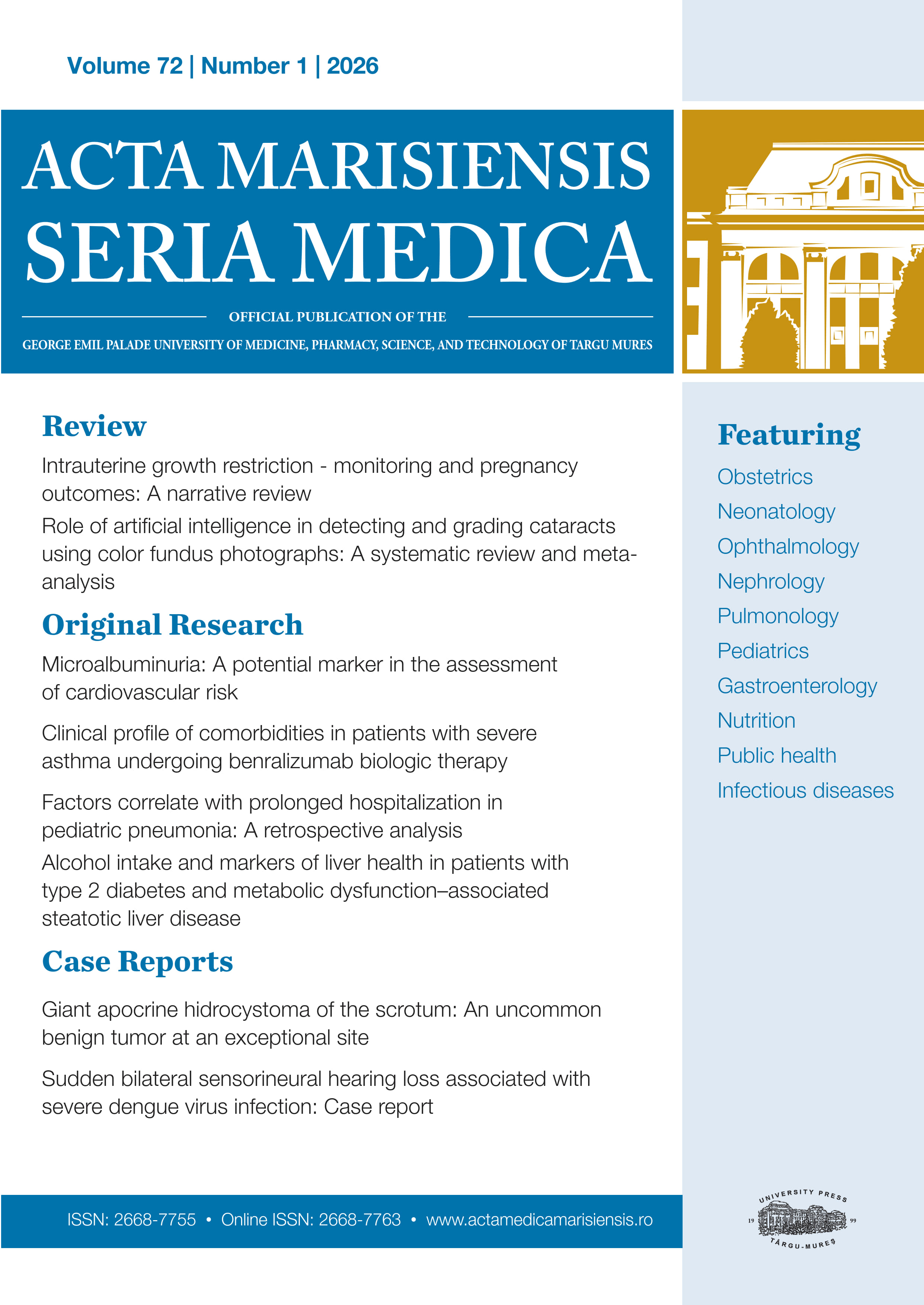
Factors Correlate with prolong hospitalization in Pediatric Pneumonia: A Retrospective Analysis
DOI:
https://doi.org/10.2478/amma-2026-0004Keywords:
C-reactive protein, hospital stay, pneumonia, pediatrics.Abstract
Background: Community Acquired Pneumonia (CAP) is a common cause of pediatric hospitalization and remains a significant contributor to morbidity and healthcare burden globally. Prolonged hospital stays can complicate outcomes and strain healthcare systems. Identifying predictors of hospital stay duration may inform clinical decision-making and optimize care. This study aims to investigate clinical and biochemical factors correlate with the duration of hospitalization in children diagnosed with pneumonia.
Methods: A retrospective study conducted at a tertiary pediatric hospital Baghdad Iraq, over 6-months period on pediatric patients aged 2 months to <15 years diagnosed with CAP.
Data collected included demographics, Clinical signs including vital signs at admission, and peripheral oxygen saturation (Spo2), duration of dyspnea, and time to defervescence. Laboratory parameters: white blood cell (WBC) count, absolute lymphocyte count, absolute neutrophil count, C-reactive protein (CRP) level, serum potassium, and serum sodium concentrations.
Results: A total of 240 child diagnosed with pneumonia were included. The average hospital stay were 7 ± 4.99 days with 142 (59.2%) had more than 7 days of hospitalization. Those had significantly higher mean respiratory rates, heart rate and body temperature and lower oxygen saturation levels. In addition, laboratory tests in children with prolong LOS showed significantly higher WBC counts, neutrophil counts, and CRP levels with P-value (<0.001, 0.005, and <0.001 respectively). On logistic regression, three independent predictors were significantly associated with increased odds for prolong hospital stay including high heart rate, elevated body temperature, and lower oxygen saturation at time of admission.
Conclusion: clinical signs at time of admission indicative of severe pneumonia -namely tachycardia, elevated body temperature, and hypoxia can be used to predict prolonged hospitalization in pediatric patients diagnosed with pneumonia.
Downloads
Downloads
Published
How to Cite
License
Copyright (c) 2025 Nabeeha Najatee Akram

This work is licensed under a Creative Commons Attribution 4.0 International License.
Acta Marisiensis Seria Medica provides immediate open access to its content under the Creative Commons BY 4.0 license.